
Moving home rarely goes wrong because of one major problem. More often, a series of smaller issues creates the stress: poor parking arrangements, unlabelled boxes, furniture that will not fit through a doorway or essential items packed away too early. Careful preparation helps prevent these problems and makes the whole process far easier to manage.
If you are arranging removals in Newtownabbey, it helps to think about the type of property you are leaving, the access at both addresses and how much support you are likely to need. Newtownabbey includes terraced streets, semi-detached homes, apartments and newer residential developments, so every move can bring slightly different practical considerations. This guide covers the main steps to take before moving day so you can stay organised from the first packed box to the final delivery.
Planning Your Newtownabbey Move Early
The earlier you start, the more options you have. If possible, begin planning six to eight weeks before your intended moving date. A larger household, a complicated chain or a fixed completion date may require even more preparation.
Start by reviewing what you are taking with you. Walk through each room and make a note of bulky furniture, fragile belongings and anything that may require specialist handling. Estimate how many boxes you will need and consider whether you intend to pack everything yourself or would prefer help.
This information also makes it easier for a removals company to prepare an accurate quotation. When comparing professional removals in Newtownabbey, ask what the quoted price includes, how awkward or valuable items will be handled and whether there are any access requirements you need to prepare for in advance.
Think about both properties too. Can a removal vehicle park close to the entrance? Are there narrow roads, shared driveways, steps or tight staircases? Giving your removals team this information early allows them to prepare properly and reduces the chance of delays on moving day.
Creating a Realistic Moving Timeline
A simple timeline turns a large job into a series of smaller, more manageable tasks. Working backwards from the moving date is usually the easiest approach.
Around six weeks before the move, book your removals company, notify your landlord or letting agent if required and start sorting through your belongings. Four weeks out, gather packing materials and begin boxing up items you do not use every day, such as books, decorative items, spare bedding and seasonal clothing.
Two weeks before the move, focus on the administrative side. Update your address with your bank, employer, GP and insurance providers, and arrange broadband and utilities for the new property. It is also a good time to set up Royal Mail redirection so important post continues to reach you after you move.
During the final week, confirm arrangements with your removals company, defrost the freezer, take meter readings and prepare an essentials bag for the first night in the new property.
Packing nearly always takes longer than expected, especially in kitchens, lofts, sheds and garages. Allowing extra time can prevent the final few days from becoming unnecessarily rushed.
Decluttering Before Packing
Every item you take with you has to be packed, lifted, transported, unpacked and given a place in the new home. Decluttering before the move can reduce both the workload and the overall volume of belongings that need to be transported.
Go through each room and decide what you genuinely use or value. Clothes, furniture and household items in good condition can often be donated, sold or passed on, while unwanted goods can be recycled or disposed of appropriately.
It is usually easier to begin with rooms you use less frequently, such as spare bedrooms, garages, sheds and lofts. This allows you to make steady progress without disrupting your day-to-day routine.
For anything that needs to be recycled or disposed of locally, it is worth checking the latest Antrim and Newtownabbey Borough Council recycling and waste guidance before making arrangements, particularly for larger household items or bulky waste.
Packing Room by Room
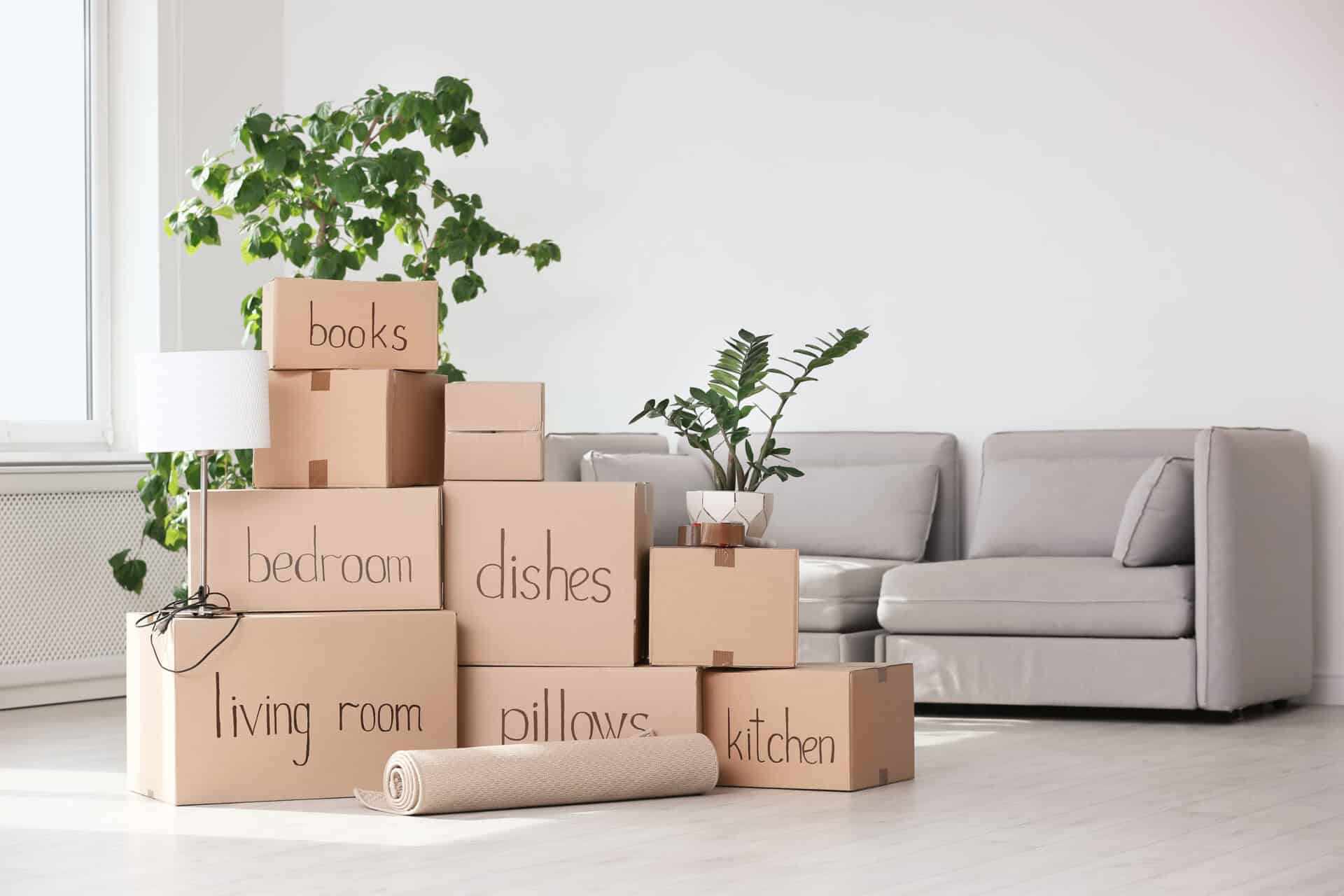
Packing one room at a time keeps the process organised and makes unpacking far easier at the other end. Finish one room before starting another where possible, and label every box on the side with both the destination room and a short description of the contents.
Use smaller boxes for heavy items such as books, tins and tools, and larger boxes for lighter belongings such as bedding, cushions and clothing. Avoid overfilling boxes, as they become harder to carry and are more likely to split.
Fill empty spaces with packing paper or other suitable material so the contents cannot move around too much during transit. Make sure the bottom of each box is securely sealed with strong tape.
Kitchens can take longer than almost any other room because of the number of smaller, fragile items involved. Start packing less frequently used cookware and appliances early while keeping a small selection of essentials available until moving day.
If you would rather not handle the entire job yourself, Browns Removals offers professional packing services that can cover part or all of the preparation. This can be particularly useful for families, people working full time or anyone dealing with a tight moving schedule.
Protecting Fragile and Valuable Belongings
Fragile belongings need more protection than simply placing them into a box. Wrap glassware, crockery, ornaments and similar items individually and use suitable packing material to reduce movement inside the box.
Place heavier items towards the bottom and lighter pieces above them, and clearly mark fragile boxes so the removals team knows they require extra care.
Pictures, mirrors and televisions also need suitable protection. Corner guards, protective covers and purpose-made packaging can all help reduce the chance of damage during handling.
Before disconnecting televisions, computers or other electronics, take a photograph of the cables at the back. That simple step can make reconnecting everything much easier once you reach your new home.
Where practical, keep passports, jewellery, medication, laptops and important documents with you rather than packing them with the main removal load.
Preparing Large and Awkward Items
Large furniture often creates more difficulty than expected, so careful measuring is worthwhile. Before moving day, check the dimensions of wardrobes, sofas, beds, dining tables and other bulky pieces. Then measure doorways, hallways and staircases at both properties.
Where possible, dismantle suitable beds, tables and flat-pack furniture in advance. Keep screws and fittings in clearly labelled bags and attach them securely to the relevant item.
Appliances also need preparation. Washing machines should be disconnected and drained, while fridges and freezers should be emptied and defrosted before the move. Garden tools and equipment should be cleaned, and any fuel should be removed from petrol-powered machinery where appropriate.
Pianos require particular care because of their weight, shape and delicate internal components. If you own one, arranging professional piano moving in Newtownabbey allows the instrument to be handled using suitable equipment and careful planning. Mention the piano when requesting your quote so the team can account for it from the beginning.
What to Do If You Need Temporary Storage
House moves do not always line up perfectly. A delayed completion date, renovation work or a downsizing move may mean you need somewhere to keep furniture and other belongings temporarily.
In these situations, storage can remove a great deal of pressure from the moving process. It gives you more flexibility if the new property is not ready or if you want to move in stages.
When choosing storage, consider security, accessibility and whether the environment is suitable for what you intend to store. Furniture, electronics and soft furnishings generally need a clean, dry space.
Browns Removals offers secure storage that can be arranged alongside your move, allowing belongings to go into storage and be delivered again when you are ready.
It is also worth keeping a simple inventory of everything placed into storage. This makes it easier to keep track of your belongings and identify anything you may need before final delivery.
Preparing for Moving Day
Use the final days before your move for checks rather than last-minute packing. Confirm the arrival time with your removals company, make sure all boxes are sealed and labelled, and clear walkways through the property.
Prepare an essentials bag or box that stays with you throughout the day. Include toiletries, chargers, medication, a change of clothes, tea and coffee, basic tools and anything else you are likely to need immediately.
Keep keys, important paperwork and valuables with you. Stay available while the removals team is working so you can highlight fragile items and confirm where belongings need to go.
Before leaving the old property, check every room, cupboard, garage, shed and storage area. Take final meter readings and any photographs you may require before handing over the keys.
At the new property, decide where larger pieces of furniture should go before unloading begins. Clear instructions save time and prevent heavy items from having to be moved twice.
Why Using a Professional Removals Company Can Help
Moving without professional support may appear cheaper, but the costs of van hire, fuel, packing materials, equipment and time away from work can quickly add up.
There is also the physical challenge of lifting furniture, carrying appliances and loading a vehicle safely. Professional movers bring experience, appropriate equipment and a planned approach to handling your belongings.
Professional removals in Newtownabbey can also help when unexpected issues arise. Restricted access, awkward furniture, delays with keys or changes to the schedule are easier to manage when an experienced team is already in place.
The time saved is often just as valuable. Instead of spending the whole day lifting, loading and driving, you can focus on paperwork, keys and helping your household settle into the new property.
Planning Your Newtownabbey Move with Browns Removals
A successful move comes down to starting early, staying organised and getting the right support where you need it. A clear plan gives you more control over the process and helps prevent unnecessary problems as moving day approaches.
Whether you need a full household removal, help with packing, specialist handling for awkward items or somewhere secure to store belongings between properties, Browns Removals can help you plan a move around your property, timescale and individual requirements.
If you are preparing for removals in Newtownabbey, contact Browns Removals to discuss your move and arrange a quotation.